
In 1962, Joseph Pilates told a Sports Illustrated writer that some of his ideas came from watching cats on the Isle of Man, where he was interned during the First World War, and noticing how they stretched and moved. The same man also patented 26 pieces of apparatus over his lifetime. That’s the whole reformer-versus-mat question in miniature: one side of Pilates is a body moving with nothing but the floor beneath it, and the other is a body working with springs, straps and a sliding carriage. Both came from the same mind, and knowing how each one feels makes choosing your first class much easier.
Mat Pilates is where the method began
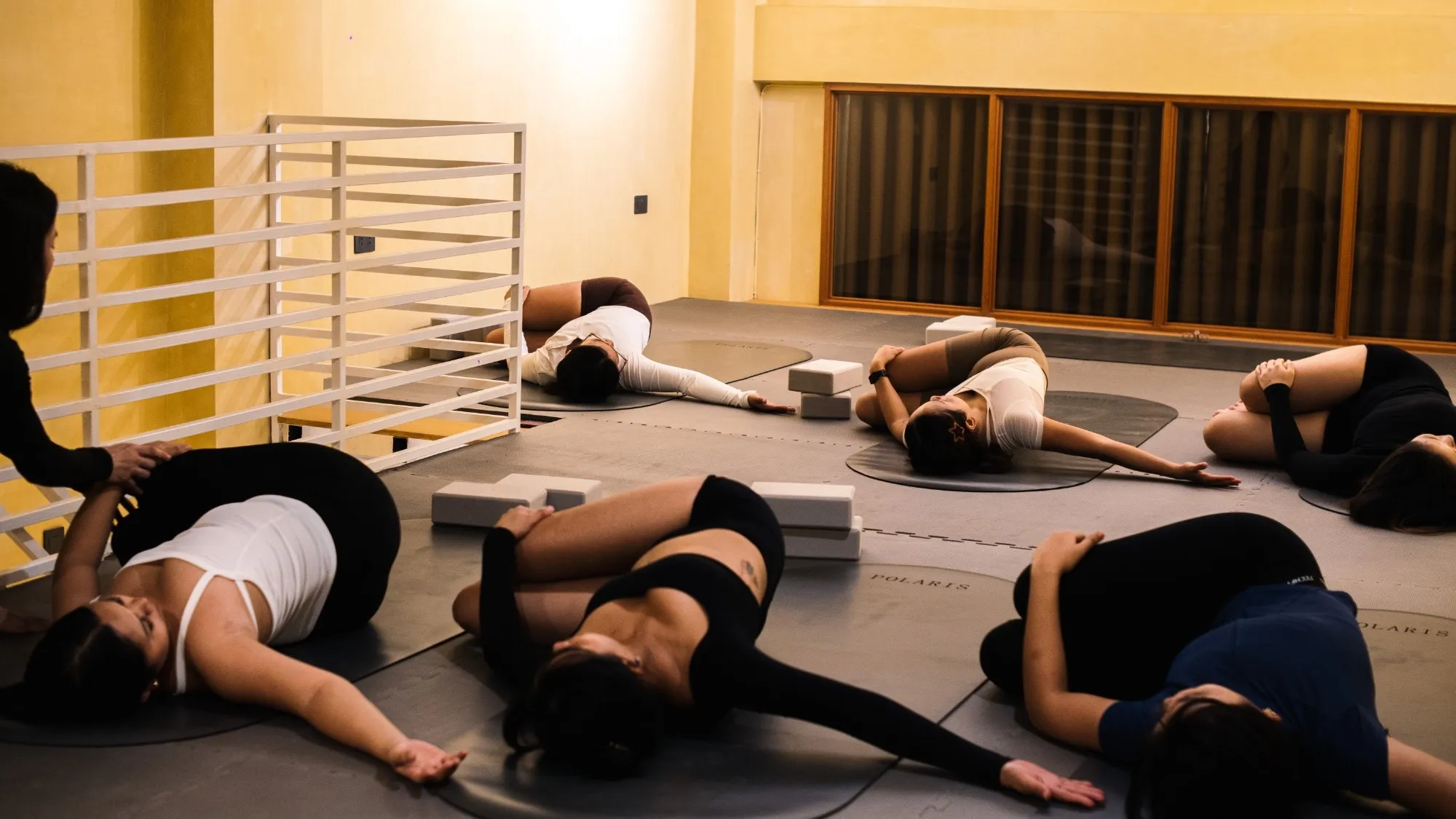
Joseph Pilates set out his mat work in his 1945 book, Return to Life Through Contrology, which is still treated as the definitive guide to the original mat exercises. Everything is done with your own body weight, so every movement asks your muscles to hold and steady you, which makes mat work a wonderful teacher of body awareness. It travels well, too: once you know the exercises, you can do them anywhere you can roll out a mat. Small props sometimes join in, like the magic circle, a flexible ring that was another of Joseph Pilates’ inventions.
The reformer adds springs that support you and challenge you
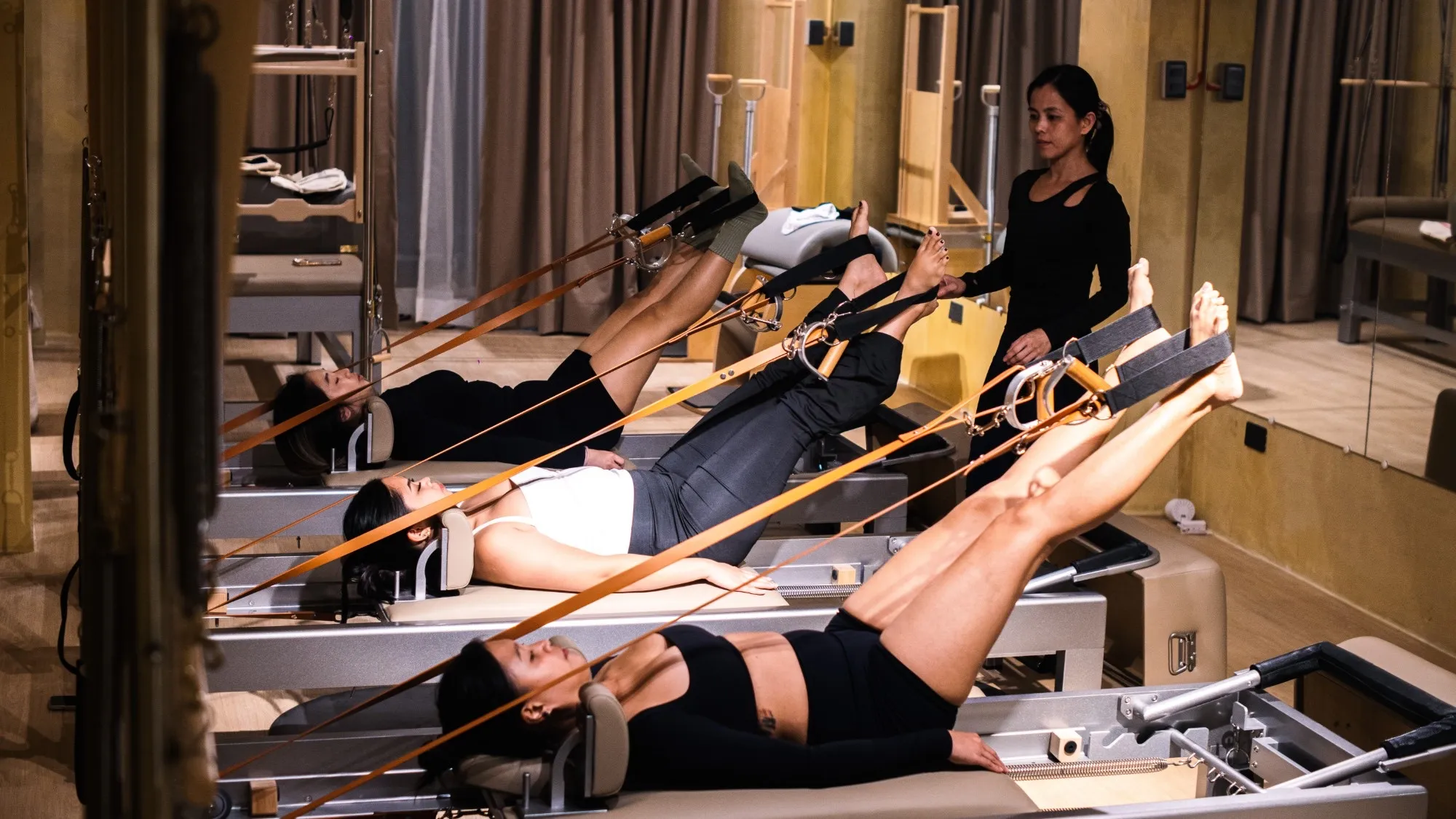
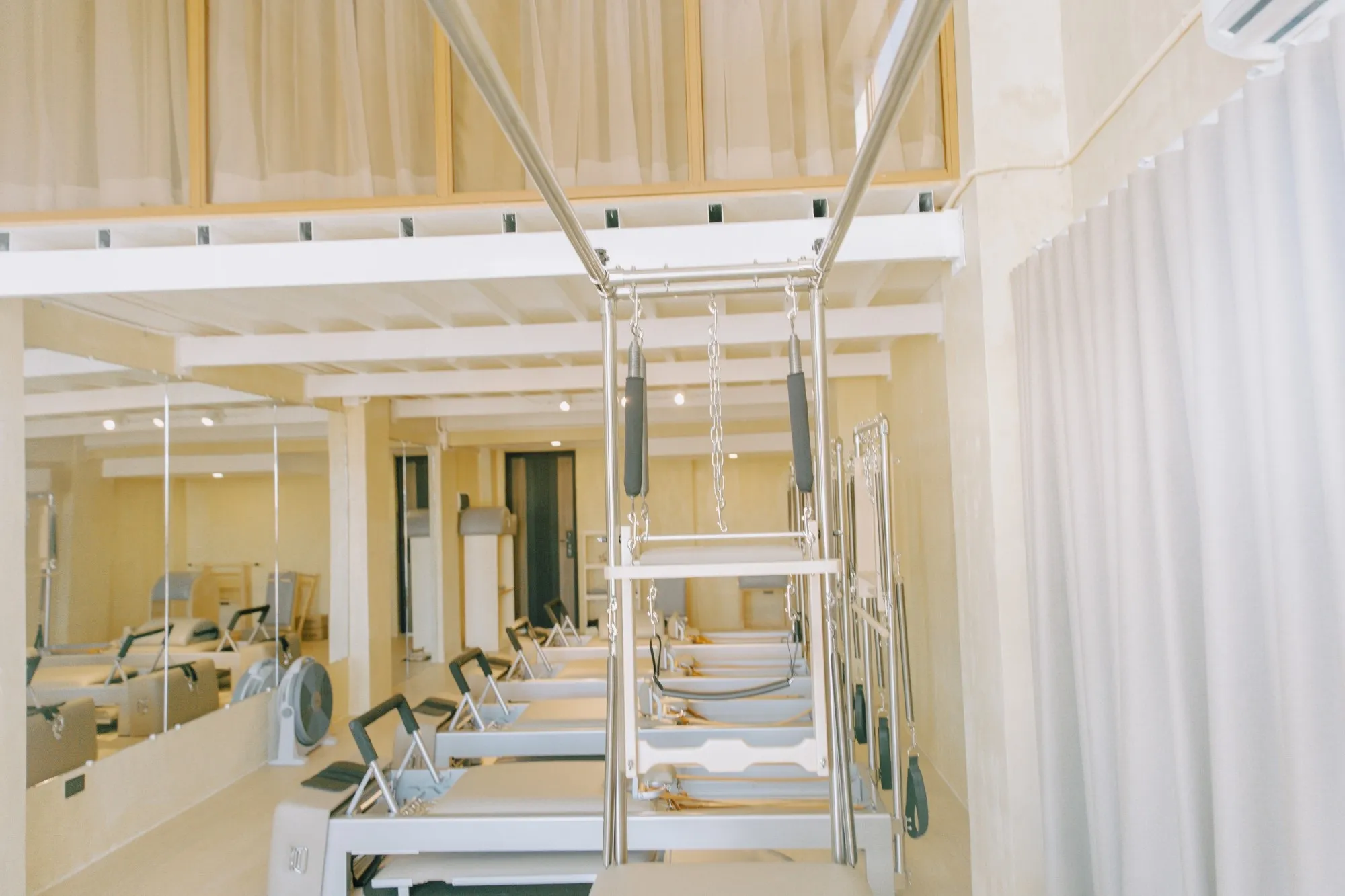
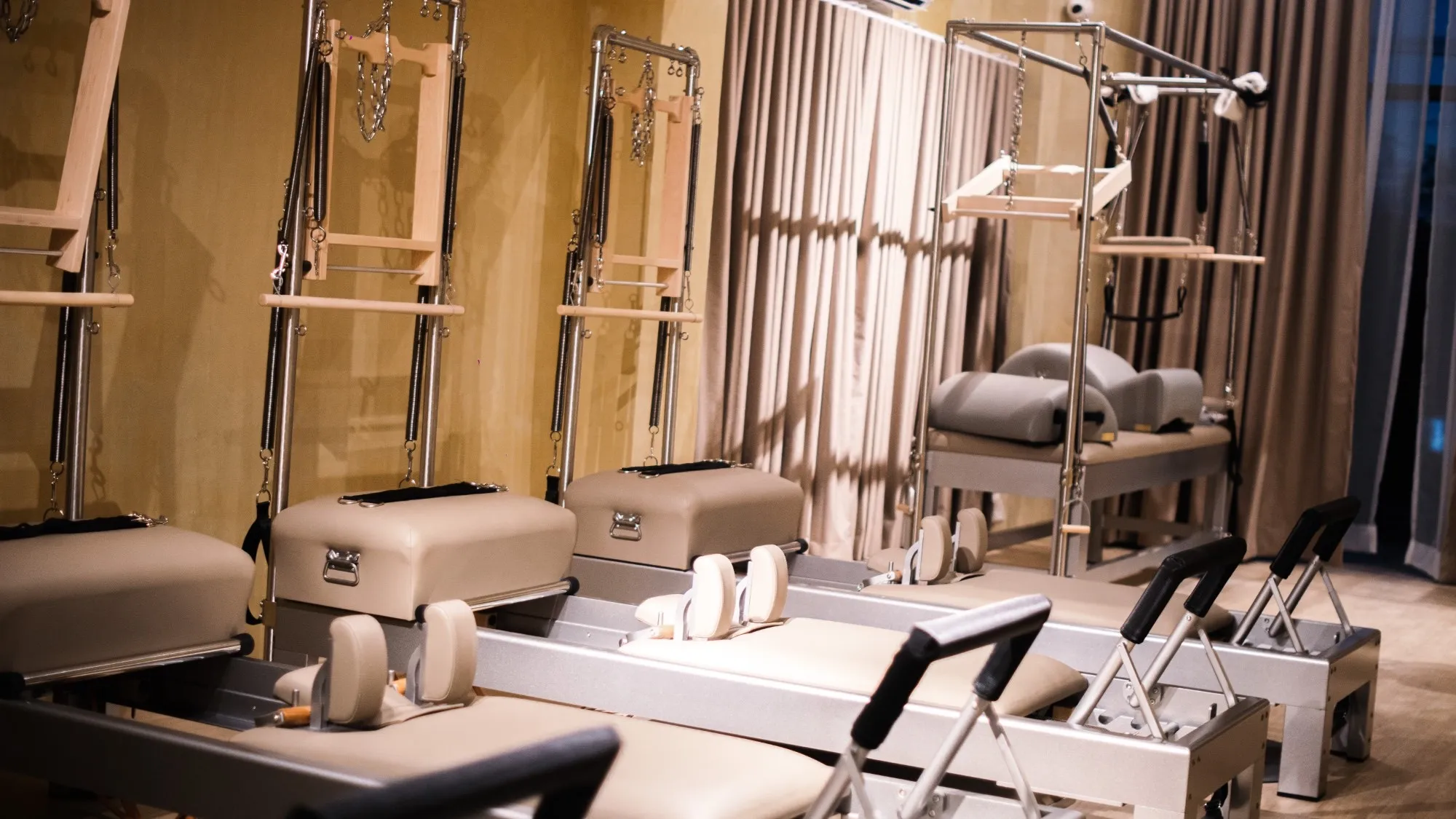
The reformer is a sliding carriage on rails, attached to the frame by springs, with a footbar at one end and straps at the other. Its springs do two jobs at once. They give you resistance to push and pull against, which builds strength through your legs, arms and core, and they also support your body, which helps you find good alignment and move through a fuller range. An instructor can change the setting for every exercise and every person, so the same machine can feel gentle for a first-timer and seriously demanding for someone with years of practice.
The reformer has relatives, too. Across the mat and his various machines, Joseph Pilates developed more than 600 exercises, including work on the Cadillac and the tower, which use springs and bars mounted on a frame.
How each one feels in your body
On the mat, you’re lifting and controlling your own weight the whole time. Many people find core work feels especially intense there, because nothing is helping you hold a position, and that’s exactly why an exercise you finally nail on the mat feels so satisfying.
On the reformer, the equipment gives you constant feedback. The footbar tells you where your feet are, the straps tell you where your arms are, and the moving carriage shows straight away when one side is working harder than the other. Many beginners find this makes it easier to understand what an exercise is asking for. The springs also let you load your legs and arms more than body weight alone would, so a reformer class can feel like a full-body strength session.
Which one to try first
- Choose the reformer if you’d like close guidance and feedback. Reformer classes are usually small, so an instructor can adjust you through each exercise.
- Choose the mat if you want a practice you can take home or travel with, or a lower-cost way to begin, since mat classes are usually priced below equipment classes.
- Try the tower if you’re curious about a different kind of spring work or you love a good stretch.
- Start one-to-one if you’re returning from an injury or managing a health condition, and check with your doctor or physical therapist first.
Doing both makes each one better
Mat and reformer Pilates feed each other. The control you build on the mat makes your reformer work cleaner, because you learn to steady yourself without leaning on the springs, and the reformer’s feedback teaches you what an exercise should feel like, which you can carry back to the mat. Joseph Pilates created his mat work and his apparatus as parts of one method, so practicing both simply gives you the fuller picture he had in mind.
If you’re leaning toward the machine, what to expect at your first reformer Pilates class walks you through the hour, and the plain-language guide to Pilates terms will help the cues make sense from the very first rep.
At Polaris you’ll find reformer, mat and a dedicated tower room, so you can start wherever feels right and switch whenever you’re curious.